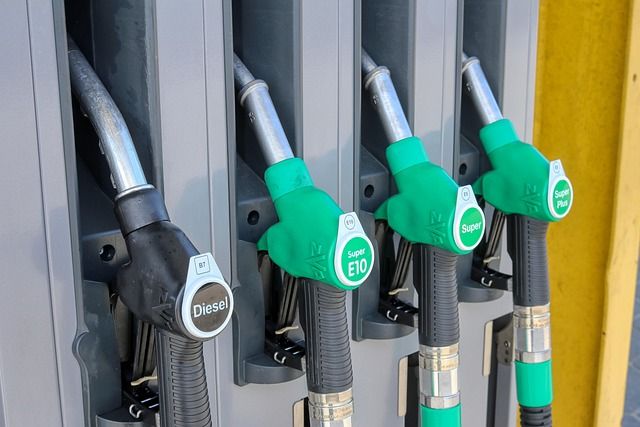
Diesel vs Gasoline Engines – Which One Fits Your Needs?
Diesel vs Gasoline Engines – Which One Fits Your Needs?
Choosing the right car always starts under the hood. Have you ever wondered why major logistics companies prefer diesel fuel while sports cars rely on gasoline? As an engine engineering expert with many years of experience, I present a comprehensive guide to understanding these fundamental differences.
I have faced this question thousands of times from drivers seeking efficiency and power. The difference between diesel and gasoline engines goes far beyond fuel type—it is a deep distinction in engineering philosophy, chemistry, and energy generation. Misunderstanding these differences can cost you thousands in unnecessary maintenance or excessive fuel consumption.
What Is the Fundamental Difference Between Diesel and Gasoline Engines?
When discussing engines, ignition is always the starting point.
Spark ignition in gasoline engines
Gasoline engines use spark ignition.
Air and fuel are mixed, then ignited by an electric spark from spark plugs.
Otto Cycle Operation in Gasoline Engines
Most passenger vehicles operate using the Otto thermal cycle. The air-fuel mixture is compressed at a relatively low ratio, typically between 8:1 and 12:1.
The goal is to prevent premature auto-ignition. If combustion occurs before the spark, engine knocking happens, potentially damaging internal components. This is why specific octane ratings are required.
Compression Ignition Principle in Diesel Engines
Diesel engines operate under the Diesel thermal cycle. Only air is compressed at very high ratios, reaching up to 25:1 in modern engines.
This intense compression raises air temperature significantly. When diesel fuel is injected at high pressure, it ignites instantly. This process gives diesel engines superior thermal efficiency and exceptional durability.
Why Does Diesel Excel in Torque While Gasoline Wins in Acceleration?
Based on extensive driving experience, the difference is immediately noticeable.
Diesel: the king of torque
Torque is the force that moves heavy loads from a standstill. Diesel engines produce massive torque at low RPM due to longer piston strokes and higher compression.
In a comparison between a 7.3L gasoline engine and a 6.7L diesel, the diesel produced nearly double the torque at just 1,600 RPM, enabling effortless towing of a 15,000-lb trailer.
Gasoline: the queen of speed
Gasoline is a light, fast-burning fuel. Gasoline engines can reach 7,000 RPM or more, delivering higher horsepower and sporty acceleration.
If 0–100 km/h acceleration matters most, gasoline is the better option. Lighter internal components ensure instant throttle response.
Are Diesel Engines Truly More Fuel Efficient?
Yes—by a wide margin. Diesel engines are 20%–35% more efficient than gasoline engines.
Energy density of diesel fuel
Diesel fuel contains about 15% more energy per liter than gasoline due to its longer hydrocarbon chains, producing more mechanical work per drop.
Long-distance efficiency
Diesel engines shine on highways under steady loads. In Gulf markets like Saudi Arabia and the UAE, diesel remains a top choice for transportation despite fuel price similarities.
Maintenance Costs: Diesel vs Gasoline
Lifespan
- Diesel: 500,000 km or more
- Gasoline: 250,000–300,000 km
Diesel fuel also has natural lubricating properties that reduce wear.
Repair costs
Diesel parts are 30%–50% more expensive.
Injectors, turbochargers, and DPF systems are the most costly components.
Environmental Impact and Regulations
Emissions
- Diesel: lower CO₂, higher NOx and particulates
- Gasoline: cleaner urban air quality
AdBlue (DEF) systems are used to reduce harmful emissions.
Future Fuels: HVO and E-fuels
HVO fuel is a renewable diesel that can reduce carbon emissions by up to 90% and requires no engine modification.
E-fuels, produced from captured CO₂ and green hydrogen, may extend the life of internal combustion engines in a carbon-neutral future.
When Should You Choose Diesel Over Gasoline?
- Gasoline: city driving, short trips, lower upfront cost
- Diesel: long-distance travel, towing, over 30,000 km/year
Comparison Table
| Feature | Gasoline | Diesel |
|---|---|---|
| Ignition | Spark plugs | Compression |
| Main advantage | Acceleration | Torque |
| Fuel consumption | Higher | Up to 35% lower |
| Purchase cost | Lower | Higher |
| Lifespan | Medium | Very long |
| Maintenance | Simple | Complex |
Conclusion
Understanding the difference between diesel and gasoline engines is key to making a smart investment. Engines are more than machines—they are your partners on every journey. Choose the one that best fits your lifestyle and budget.